
 Louie Panayi •
 Paint protection film (PPF) is a thick, clear urethane film that physically absorbs rock chips and scratches, while a ceramic coating is a thin layer, applied as a liquid, that adds gloss and makes the car easier to wash but can't stop a chip. If you want your paint protected from damage, PPF is the one that does it.
PPF and ceramic coating get mentioned together so often that people assume they do the same thing. They don't, and understanding the difference could save you thousands of dollars in paint repairs down the road.
What Ceramic Coating Actually Is
Ceramic coating is a liquid polymer that bonds to your vehicle's clear coat. Once cured, it creates a thin, hard, hydrophobic layer on top of your paint. It makes the surface slicker, causes water to bead and sheet off, and makes the car easier to wash. A good ceramic coating can last 2 to 5 years depending on the product and maintenance.
What ceramic coating does well: it makes your car easier to clean, adds a glossy appearance, and provides mild protection against UV exposure, bird droppings, and chemical etching.
What ceramic coating does NOT do: protect your paint from physical damage. A ceramic coating is only a few microns thick. It's thinner than a piece of plastic wrap. It cannot absorb the impact of a rock chip, prevent a scratch from a shopping cart, or stop a parking lot door ding from damaging your paint. If a rock hits your hood, the ceramic coating does absolutely nothing to prevent the chip.
What Paint Protection Film Actually Is
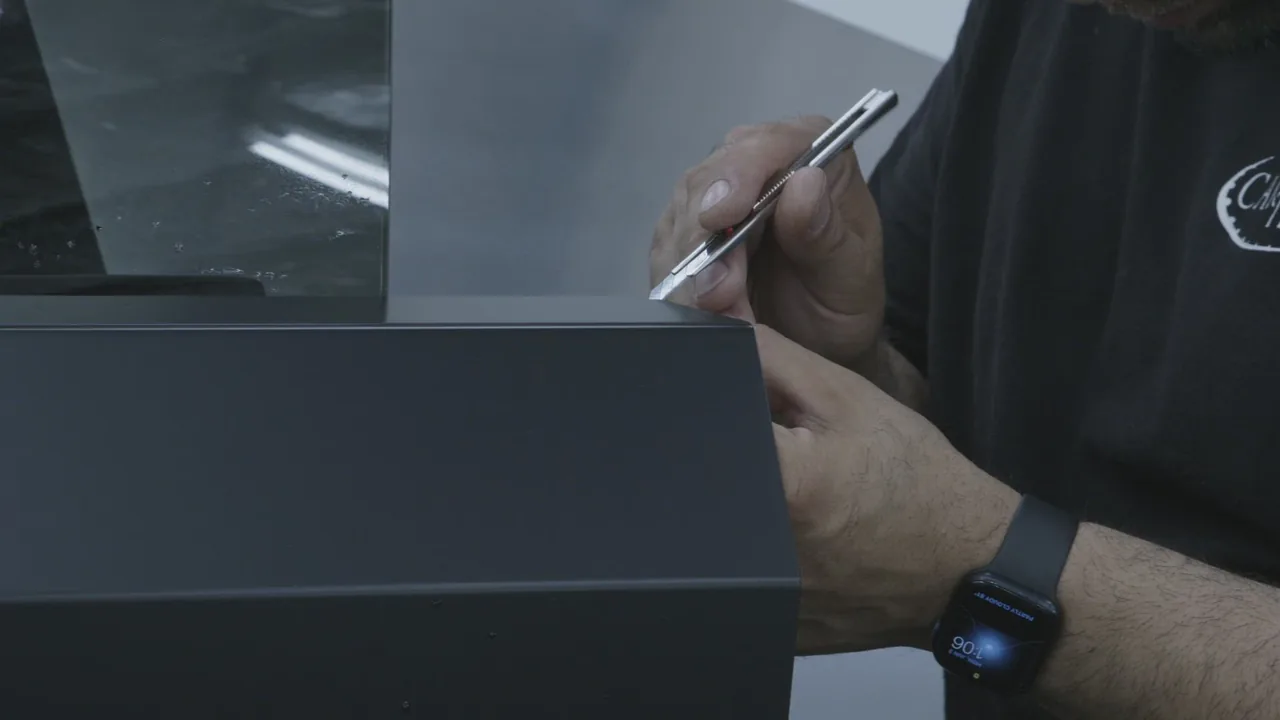
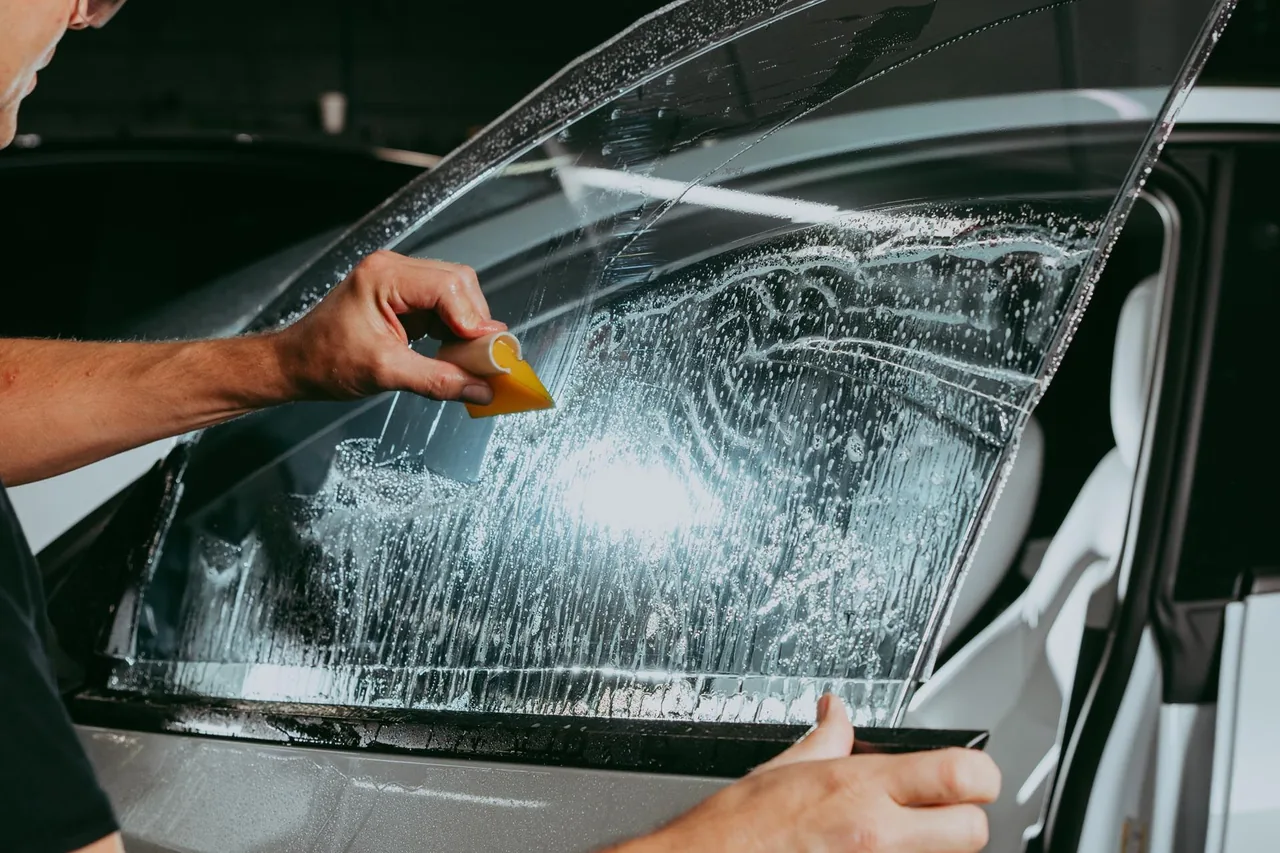
PPF is a thick, clear urethane film, typically 8 mils thick. That's hundreds of times thicker than ceramic coating. It physically absorbs impacts. Rocks hit the film, the film flexes, and your paint underneath is spared the everyday chips. Quality PPF like XPEL Ultimate Plus also has a self-healing clear coat that makes minor scratches disappear on their own.
PPF does everything ceramic coating does, plus it actually protects your paint from the things that damage it most: rock chips, road debris, scratches, and physical impacts. It also blocks UV, repels water, and makes the car easier to clean.
The Price Comparison That Doesn't Add Up
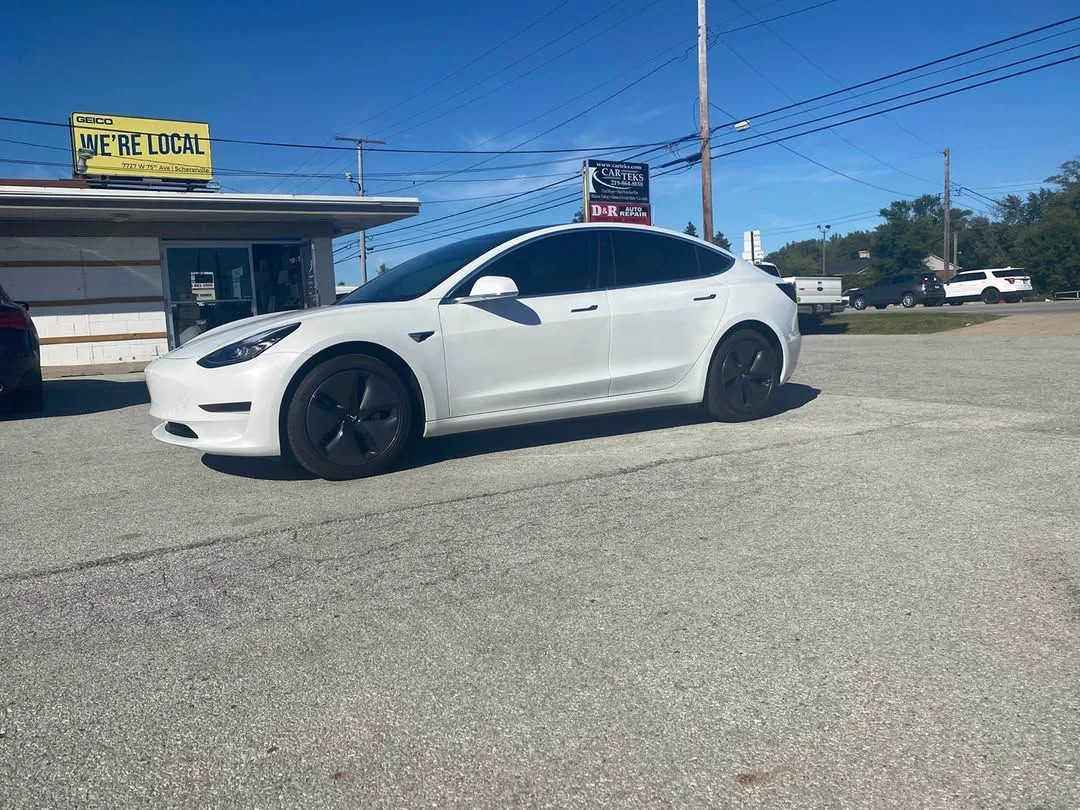
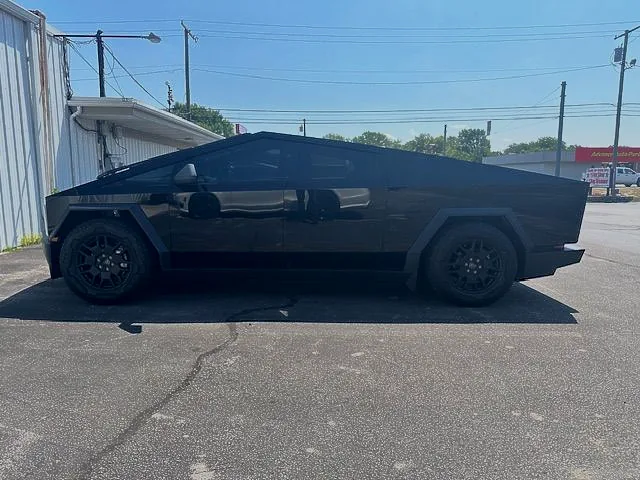
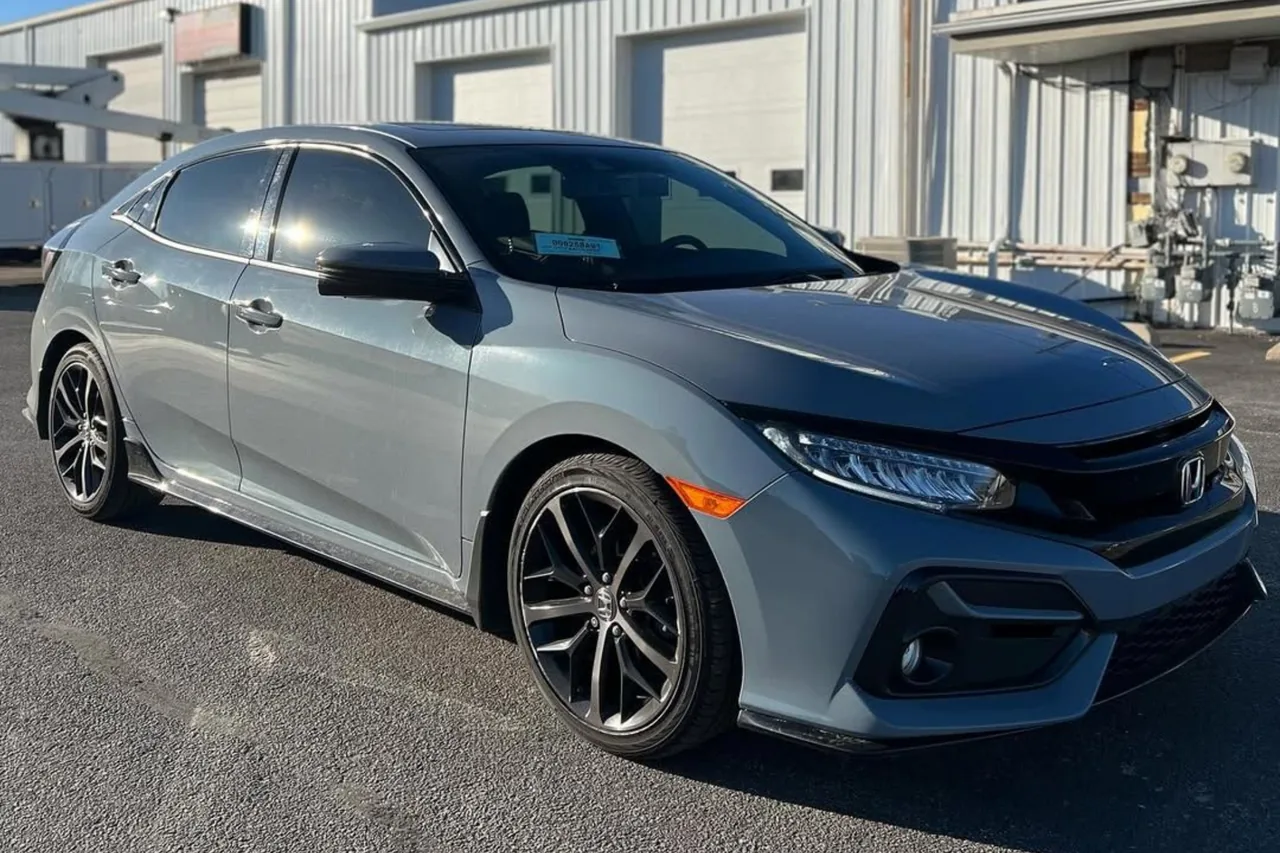
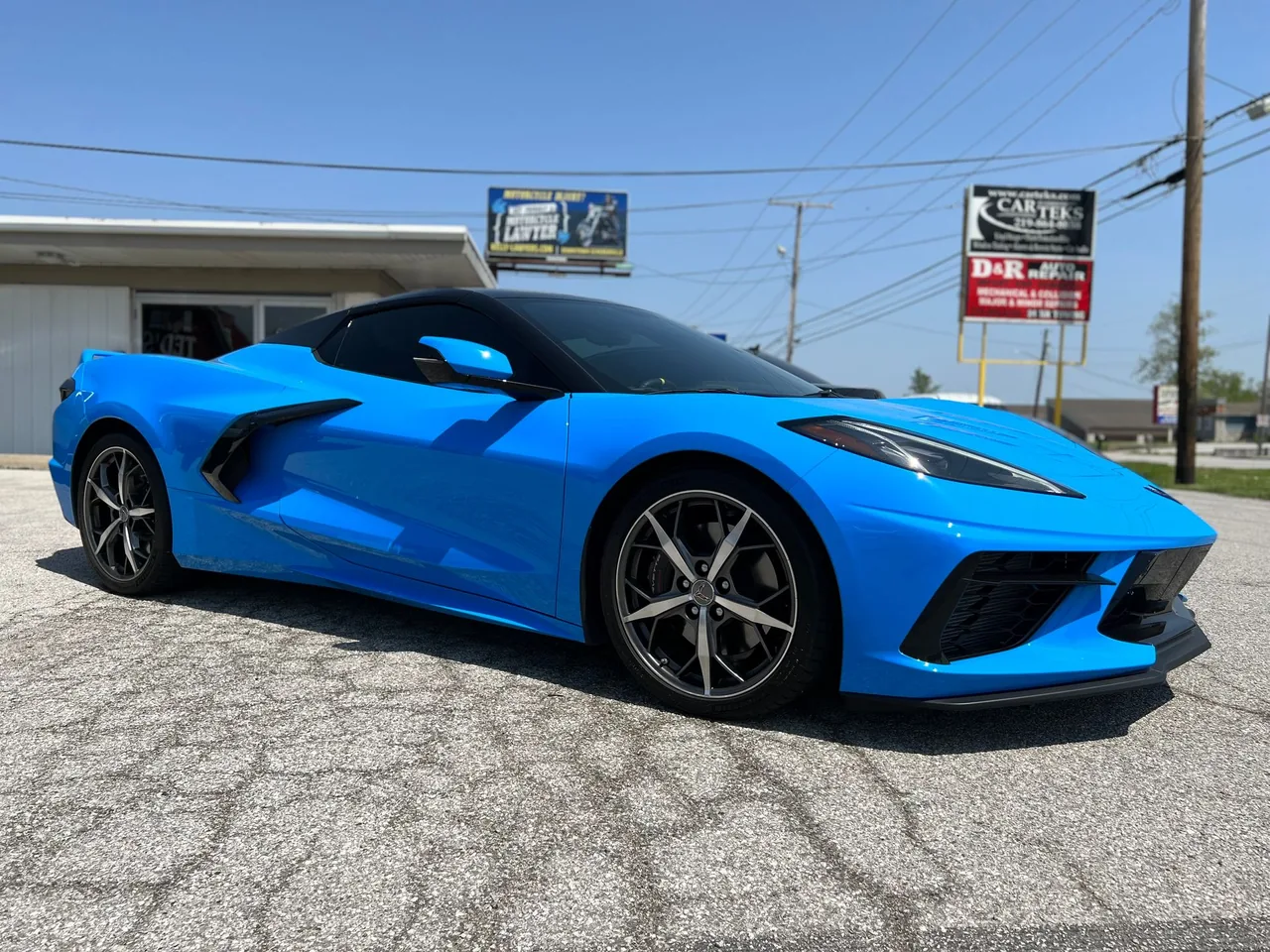
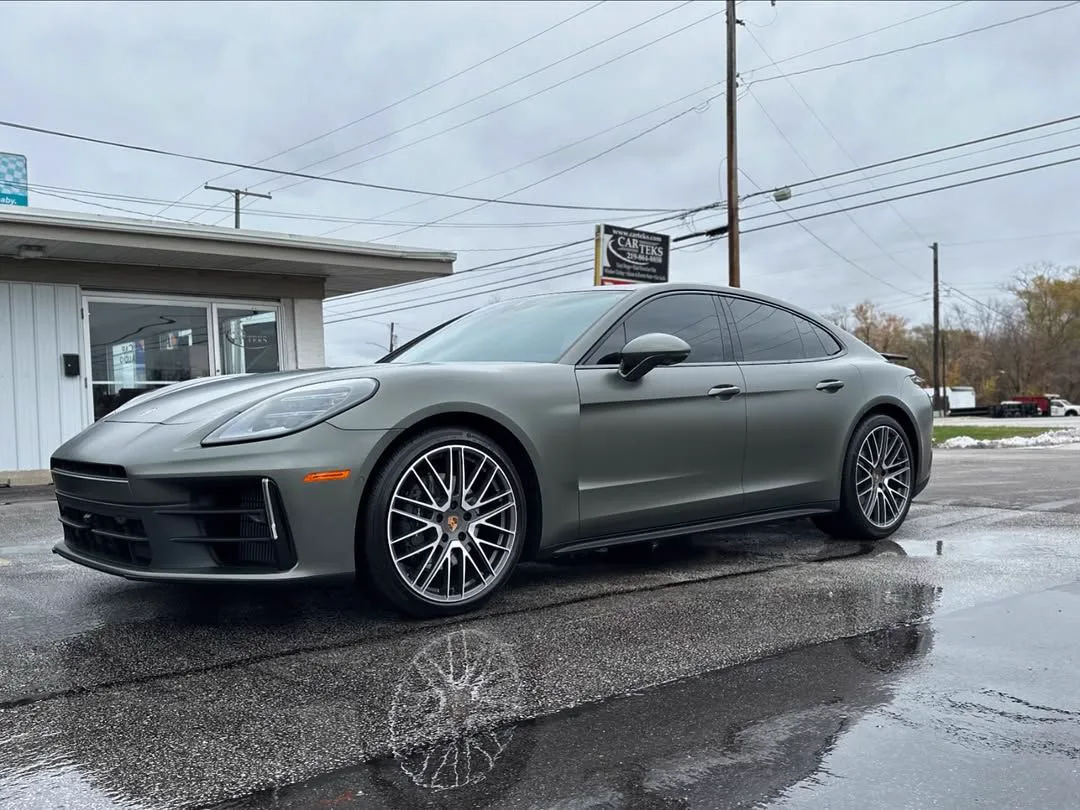
Here's where it gets interesting. At Car Teks, a partial front PPF package starts at $860. For that, you're getting real, physical protection on the areas of your car that take the most abuse. Your hood, bumper, and fenders are shielded from rock chips. That's protection you can see and measure in prevented paint damage.
A professional ceramic coating isn't cheap, and its price depends on the product and the size of the vehicle. And for that money, you're getting a product that fundamentally cannot protect against physical damage.
Money spent on a ceramic coating gives you a shiny, easy-to-wash car that's still going to get rock chips on the highway. Money spent on PPF gives you paint that's shielded from the chips the highway throws at it. Which sounds like a better use of your money?
The Ceramic Coating Marketing Problem
Ceramic coatings are heavily marketed with impressive-sounding claims. "9H hardness." "Scratch resistant." "Years of protection." These claims are technically true in very narrow contexts but they create a misleading impression that ceramic coating protects your paint the way PPF does. It simply doesn't.
The hardness of a ceramic coating helps prevent very fine wash scratches and swirl marks. That's real. But it provides zero protection against the things that actually damage cars in the real world: rock chips, door dings, shopping carts, and road debris. Calling ceramic coating "paint protection" is like calling sunscreen "body armor." It does a job, but it's not what people think it is.
Can You Use Both?
Some people apply ceramic coating on top of PPF, or use ceramic coating on areas not covered by PPF. If you already have the budget for PPF and want the added water-repelling and self-cleaning properties of ceramic coating, that's fine. But if you have to choose one or the other, PPF is the clear winner for actual paint protection.
Our Take
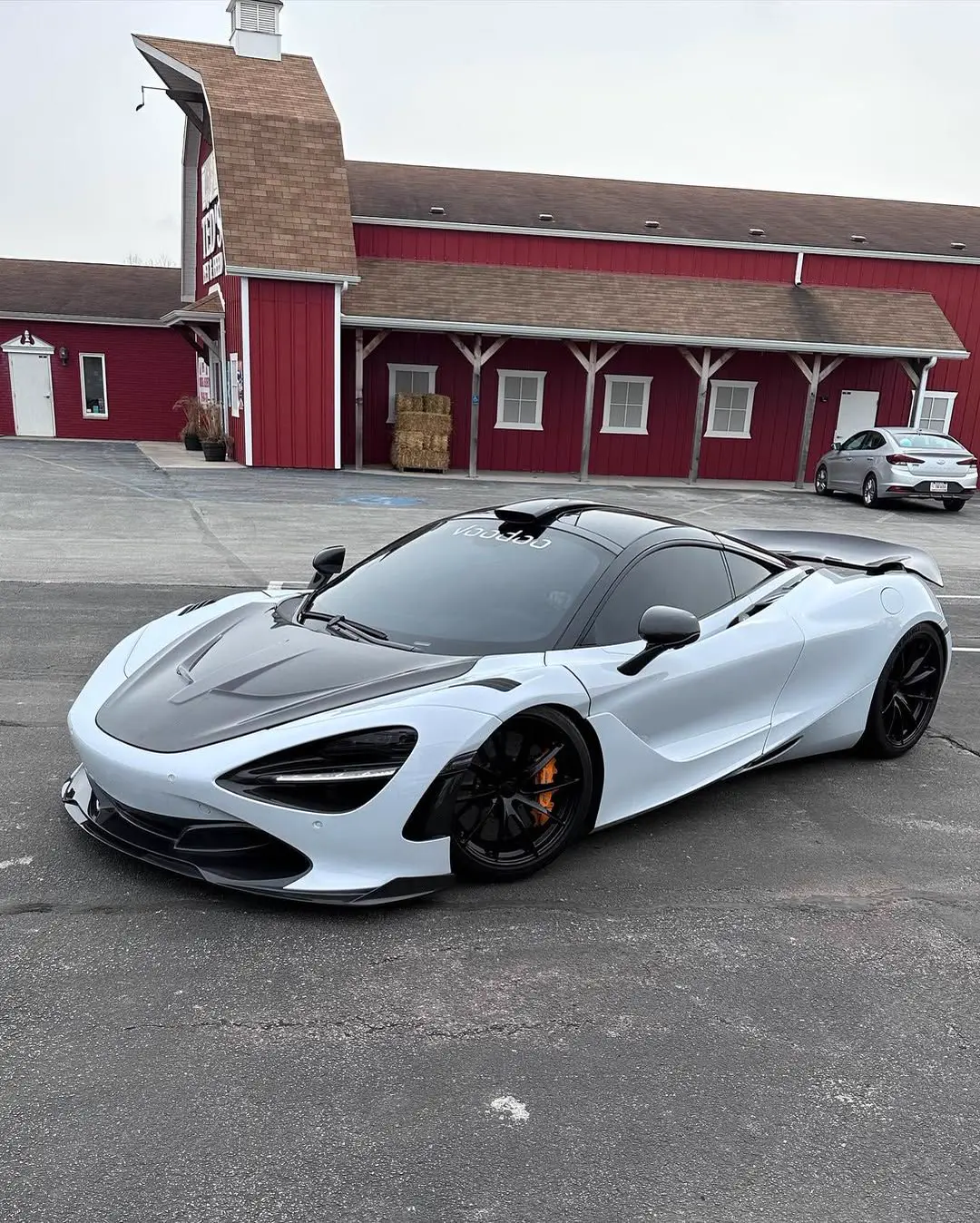
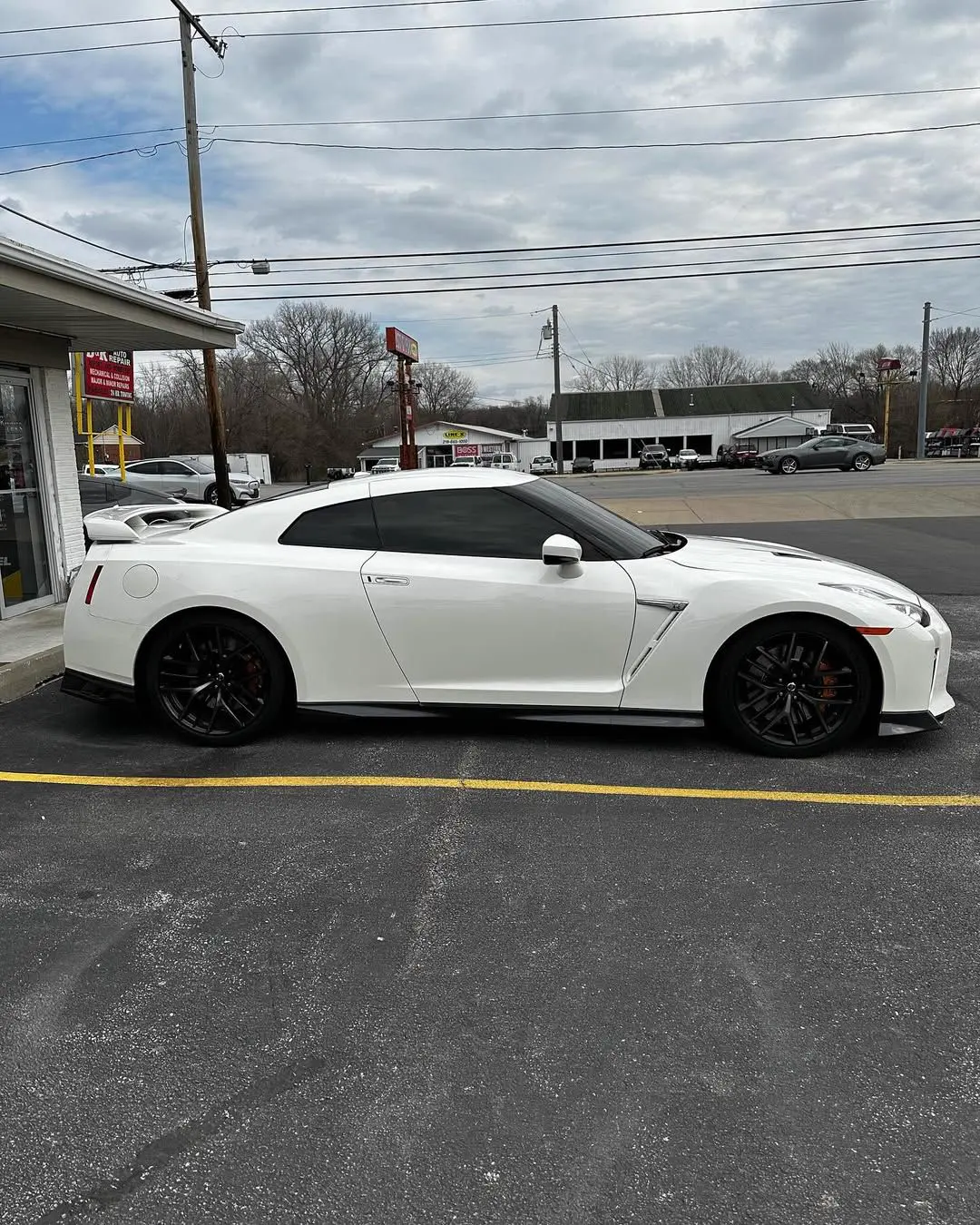
We install PPF at Car Teks because it actually protects vehicles. When a customer comes to us wanting to protect their paint, we want to give them something that does the job, not something that just looks nice for a while. If you want real protection that prevents real damage, PPF is the answer.
Check out our PPF packages or contact us to discuss what coverage makes sense for your vehicle.