Can You Put Ceramic Tint on a Windshield?
One of the most common questions we get at the shop is whether you can put tint on a windshield. The short answer is yes, and it's one of the most impactful upgrades you can make to your driving experience. But there are some important things to understand before you do it.
Why Tint Your Windshield?
Your windshield is the largest piece of glass on your vehicle and it's directly in your line of sight all day. Even if you have every other window tinted, you're still getting blasted with heat and UV rays through the windshield. Adding ceramic film to the windshield completes the package.
The benefits are immediately noticeable. The cabin temperature drops significantly, especially on hot summer days. The glare reduction makes driving more comfortable and less fatiguing. And the UV protection matters more on the windshield than anywhere else because your face, arms, and hands are exposed to direct sunlight through that glass every time you drive.
What Shade Should You Use?
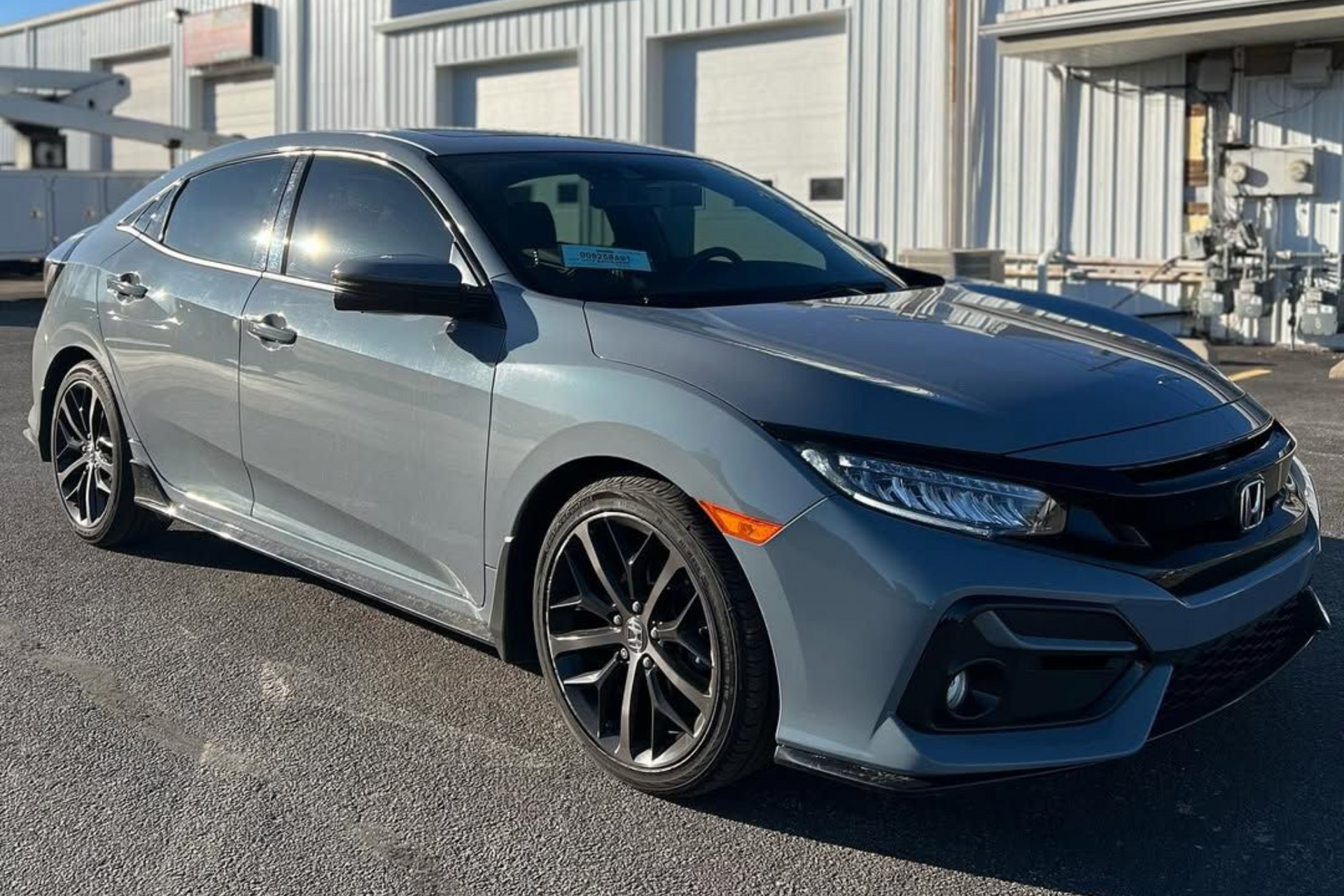
Windshield tint is different from side window tint. You don't want to go dark on a windshield. Most customers go with a very light ceramic film, usually in the 70% to 80% visible light transmission (VLT) range. At that level, you can barely see the tint from the outside, but you can absolutely feel the heat rejection and UV protection.
The ceramic technology in films like XPEL Prime XR Plus is what makes this possible. The heat rejection comes from the ceramic particles in the film, not from darkness. So you can run a nearly clear film on your windshield and still block a massive amount of heat and nearly all UV rays.
Is Windshield Tint Legal in Indiana?
Indiana law requires that windshields allow at least 30% VLT. A ceramic film at 70% or 80% VLT is well within legal limits. However, laws vary by state, so if you regularly drive into Illinois or other states, it's worth checking their regulations as well.
We always recommend staying on the safe side of the law. A light ceramic film gives you all the benefits without drawing attention or causing visibility issues at night.
What About the Curing Process?
Here's the one thing to be prepared for: windshield tint looks rough while it's curing. Because you're looking through the windshield constantly, you'll notice every water pocket and bit of haze much more than you would on the side windows. This is completely normal and temporary.
Give it the full 7 to 14 days to cure. The water pockets will shrink and disappear as the moisture evaporates. In the winter, it may take longer. Don't let the curing appearance worry you. Once it's fully dry, the windshield will look crystal clear.
Does It Affect Visibility at Night?
With a 70% or 80% VLT ceramic film, the impact on nighttime visibility is minimal. Most customers tell us they forget the tint is even there after a day or two. The slight reduction in light transmission is barely perceptible, and many drivers find that the glare reduction from oncoming headlights actually makes night driving more comfortable.
Can Any Shop Do It?
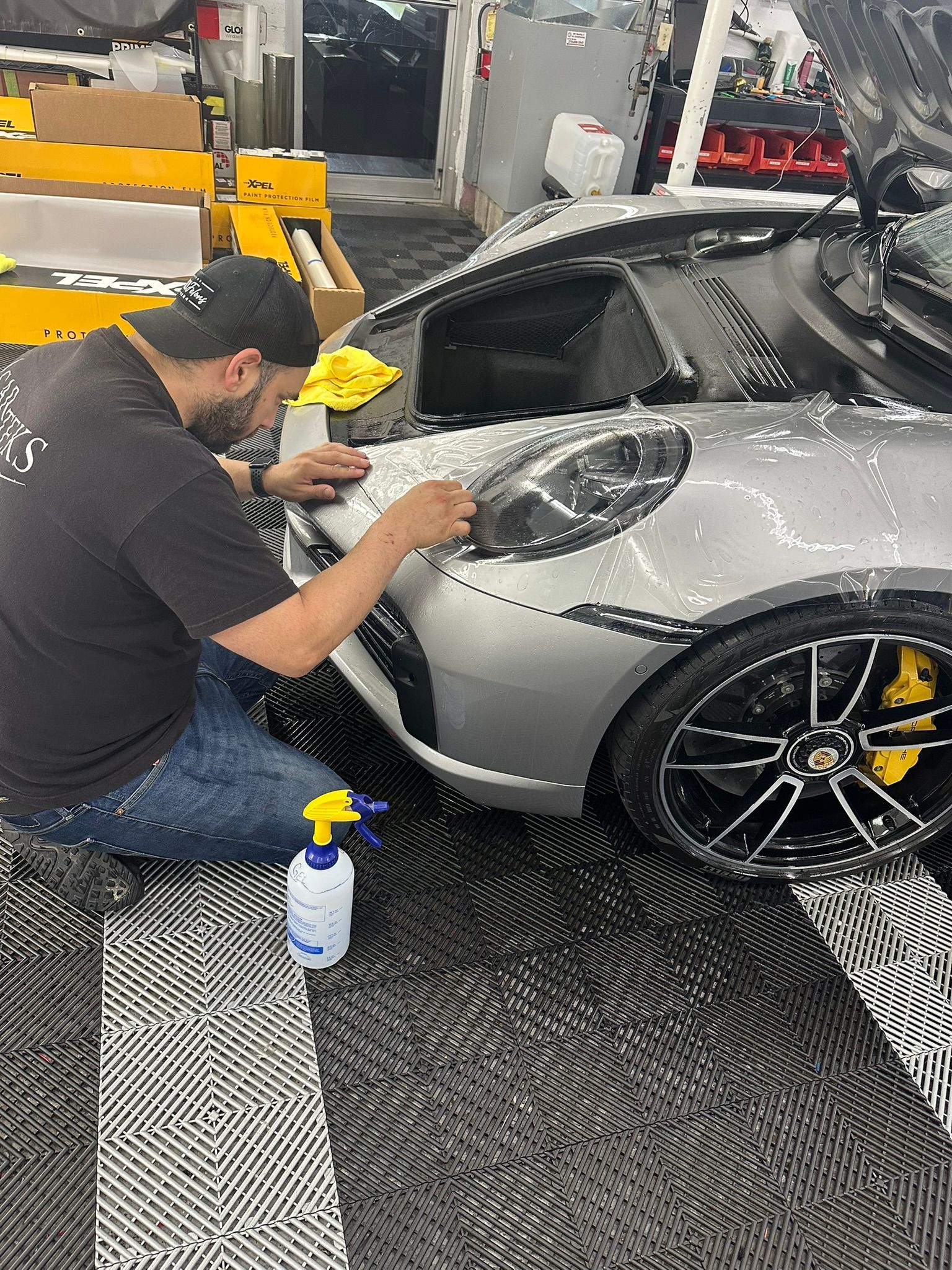
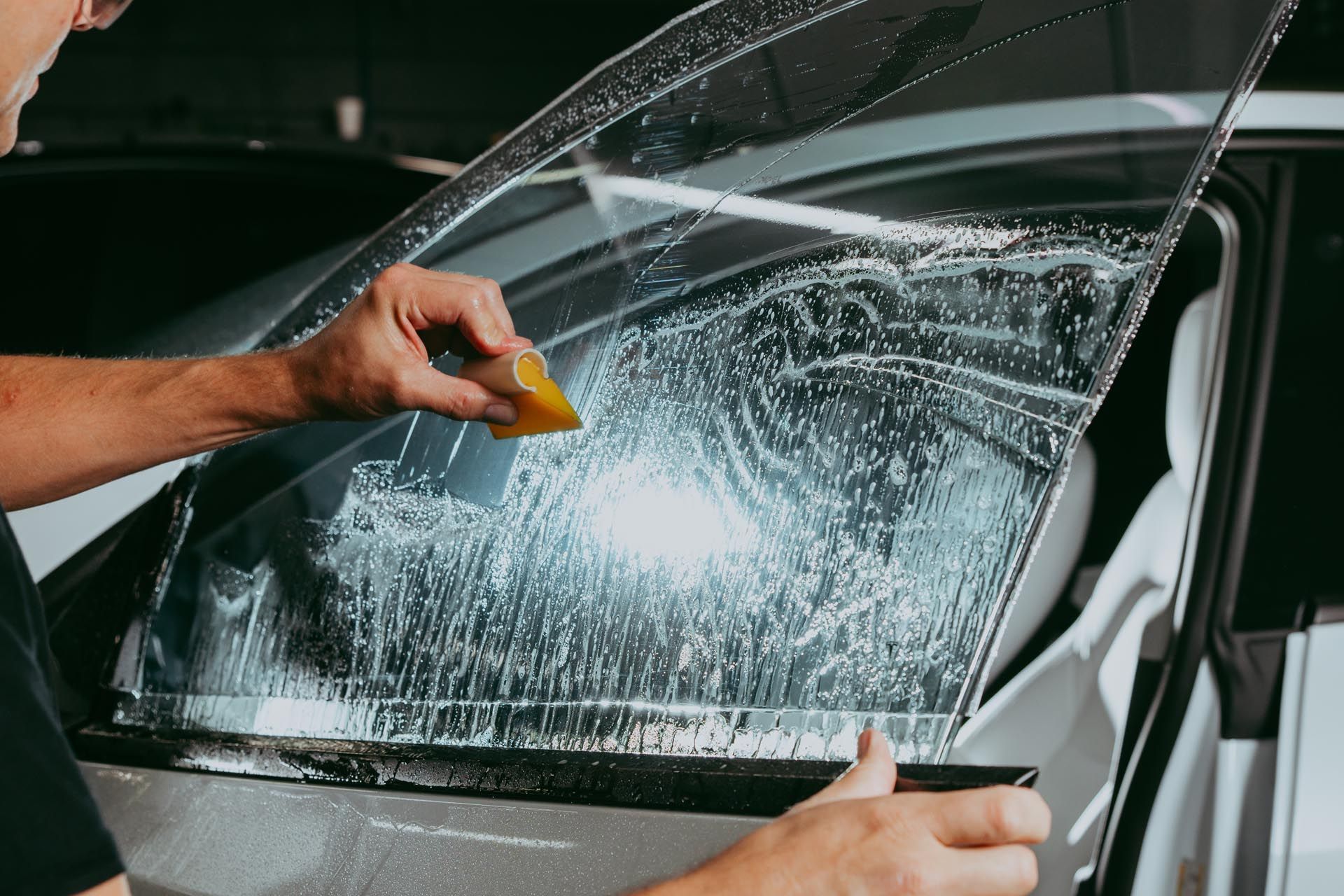
Windshield tint installation requires more skill than side windows. The windshield is curved, it's large, and there's no room for error since it's directly in your line of sight. Any imperfections, bubbles, or debris in the film will be immediately noticeable. This is a job you want done by an experienced installer.
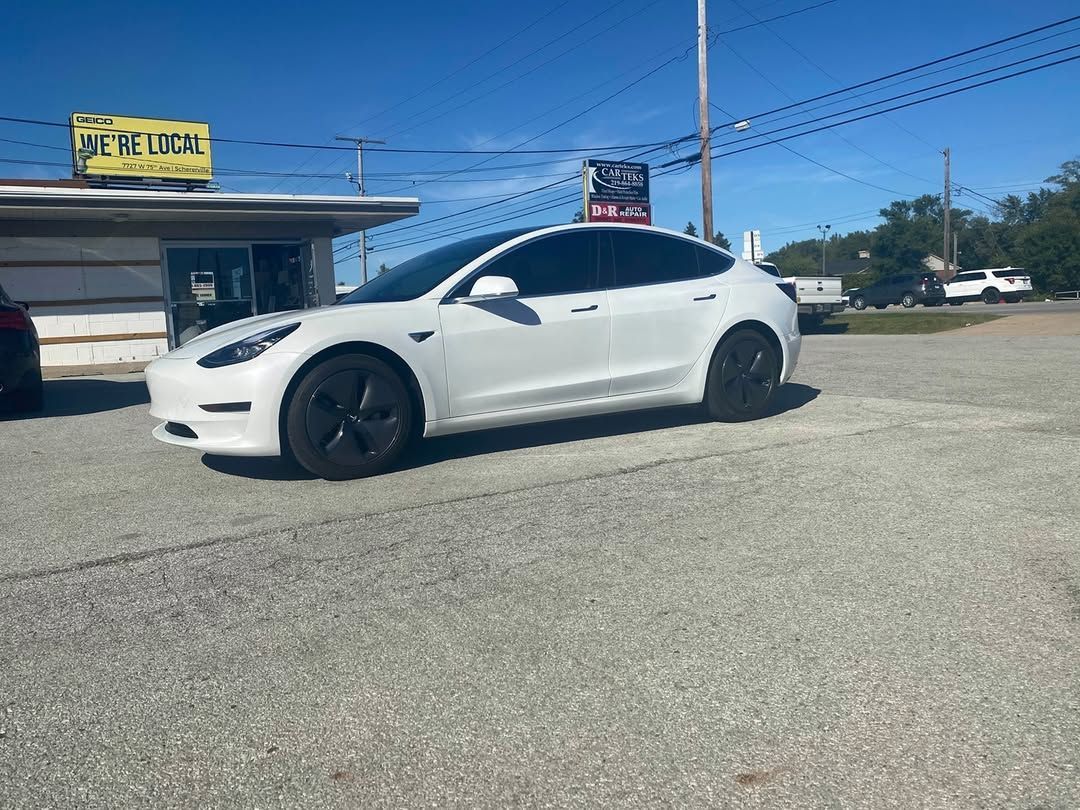
At Car Teks, we've installed windshield tint on thousands of vehicles. If you want the heat rejection and UV protection of a tinted windshield done right, schedule with us and we'll take care of it.