Does Paint Protection Film Actually Prevent Rock Chips?
Rock chips are the number one reason people come to us for paint protection film. If you've ever followed a truck on the highway and heard that sickening ping of a rock hitting your hood, you know the feeling. So does PPF actually stop that from happening?
Yes. That's Literally What It's For.
Paint protection film was originally developed for military use. The technology was created to protect helicopter rotor blades from sand and debris erosion. It was later adapted for NASCAR to protect headlights and painted surfaces from track debris at 200 mph. If it can handle that, your daily highway commute is well within its capabilities.
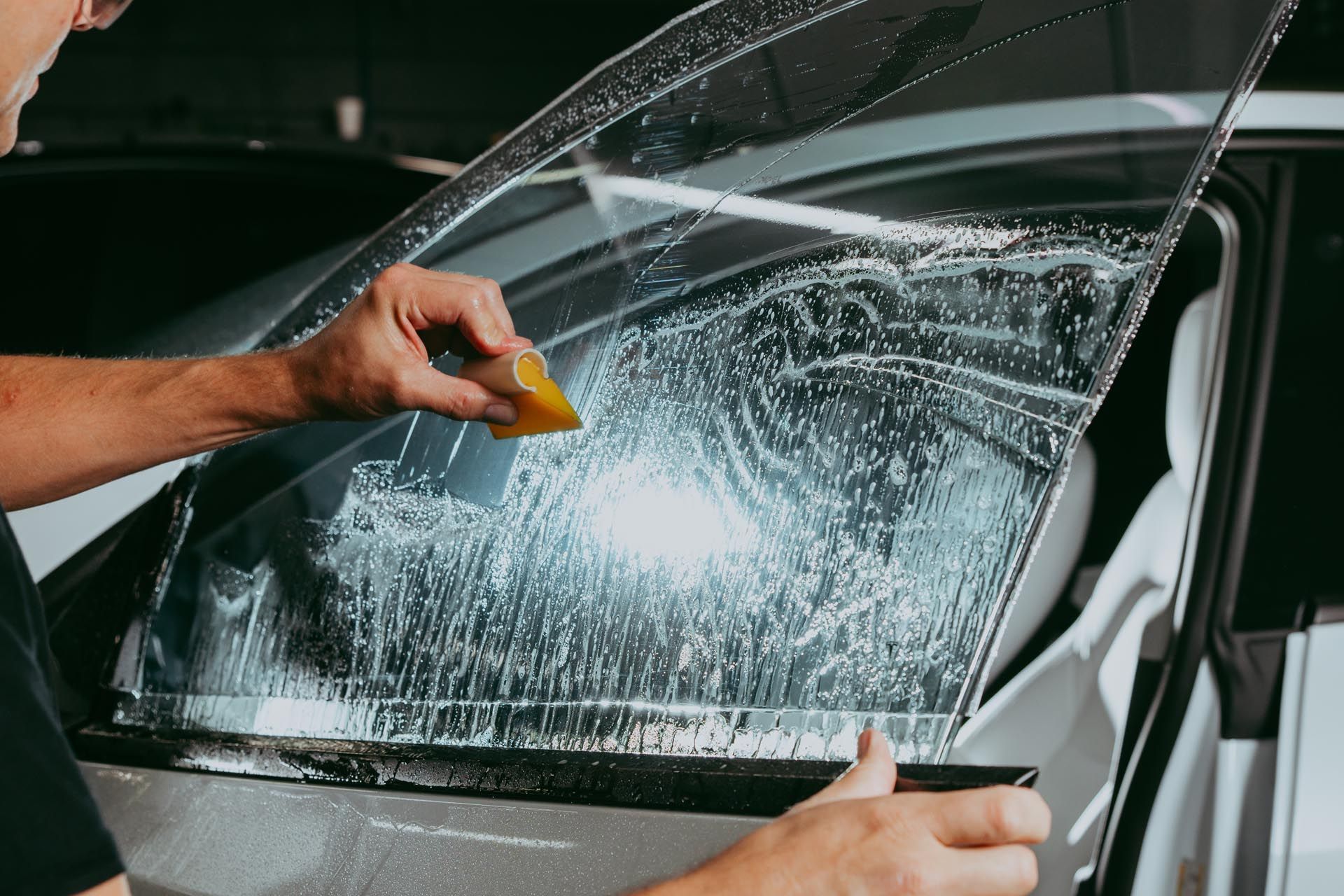
The film works by absorbing and distributing impact energy across its surface. When a rock hits unprotected paint, all that energy concentrates on a tiny point, cracking through the clear coat and into the paint. When a rock hits PPF, the film flexes and absorbs the impact, spreading the energy across a wider area. The paint underneath doesn't feel a thing.
What Size Impacts Can PPF Handle?
PPF handles the vast majority of road debris encounters without issue. Small stones, gravel, sand, road salt crystals, bug impacts, and similar debris are exactly what the film is designed for. These are the things that pepper your front end over thousands of miles of driving and slowly destroy your paint.
For extremely large impacts like a full-size rock or major debris on the road, PPF provides significant protection but nothing is indestructible. The good news is that even if the film gets damaged by a severe impact, your paint underneath is still protected. You replace a section of film instead of repainting a panel, which is far less expensive.
Real World Results
We see the proof every time a customer comes in to have PPF removed or replaced after several years. The film comes off covered in tiny impact marks, scuffs, and evidence of thousands of debris hits. The paint underneath? Factory perfect. Not a single chip. That's the whole point.
Customers who drive long highway commutes or regularly travel on gravel roads see the most dramatic results. Their vehicles would be covered in chips without protection. With PPF, the paint stays flawless.
Where Should You Apply PPF for Rock Chip Protection?
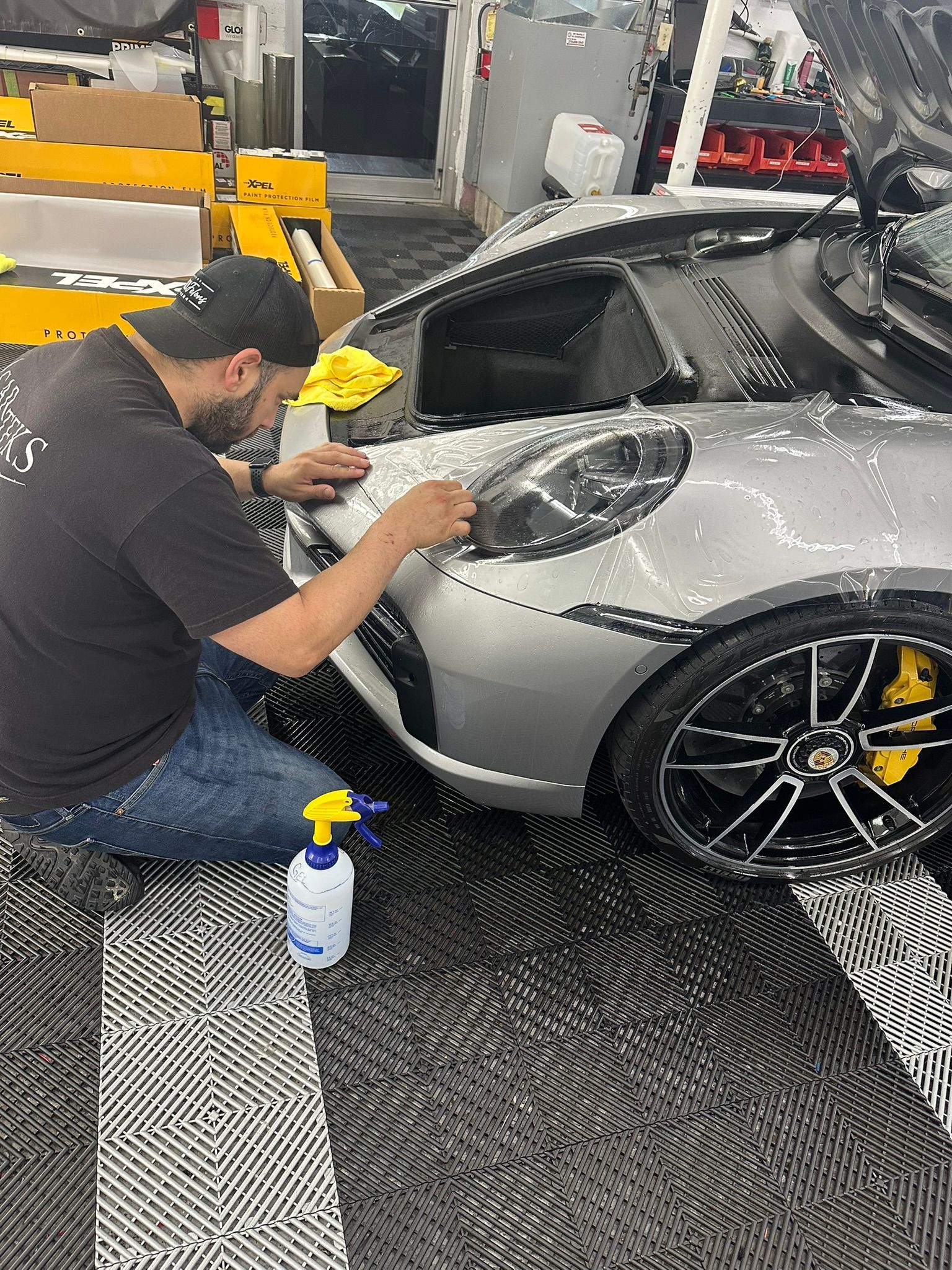
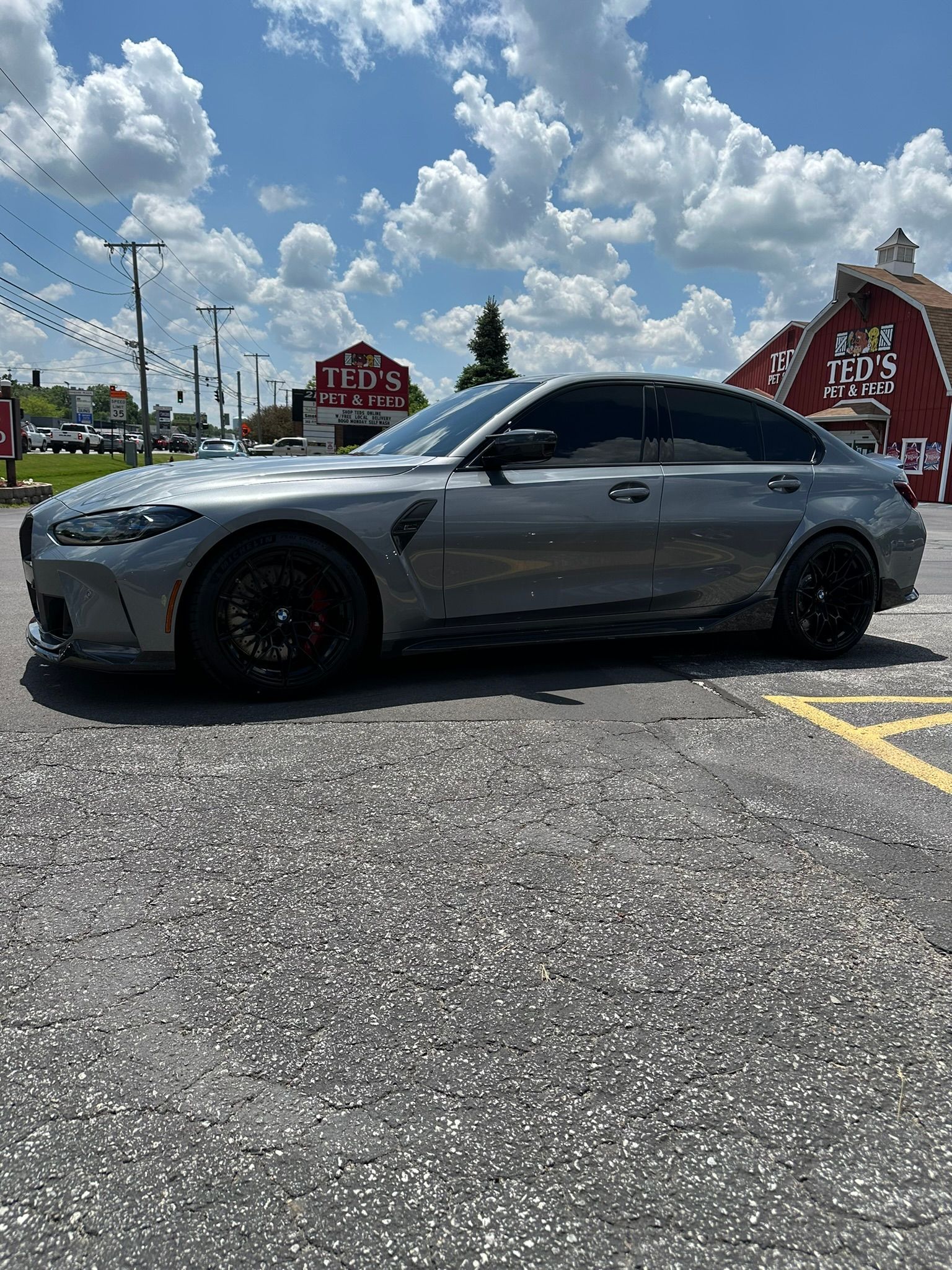
Rock chips primarily affect the front-facing surfaces of your vehicle. The hood, front bumper, front fenders, side mirrors, and headlights take the most abuse. A partial front or full front PPF package covers all of these areas and provides the most protection per dollar spent.
The rocker panels (lower sides of the vehicle) also catch a lot of debris kicked up by your own tires, especially in winter when roads are covered in salt and gravel. Adding rocker panel coverage is a smart move if you want comprehensive protection.
Full body coverage protects everything, including doors from parking lot dings and the rear from debris kicked up by other vehicles. It's the most expensive option but provides total peace of mind.
PPF vs Doing Nothing
Every day you drive without PPF, your paint is accumulating damage. Rock chips can't be undone. They can be touched up, but touch-up paint never looks as good as the original. Once the chips start, they also expose bare metal to moisture, which can lead to rust over time.
The best time to apply PPF is when the car is new. The second best time is today. If your paint is still in good condition, protecting it now prevents years of future damage.
Want to see what PPF coverage would look like for your vehicle? Contact Car Teks and we'll put together a package that fits your needs and budget.