How Long Does XPEL Paint Protection Film Last?
You're about to invest in paint protection film and you want to know how long it's actually going to last. Fair question. Here's what we've seen after installing XPEL on hundreds of vehicles over the years.
XPEL's Official Warranty: 10 Years
XPEL backs their Ultimate Plus film with a 10-year manufacturer warranty against yellowing, cracking, peeling, staining, and delamination. That's not a marketing gimmick. It's a real warranty from a publicly traded company that stands behind their product.
In practice, XPEL Ultimate Plus routinely lasts well beyond the warranty period. We've seen vehicles come in after 7 to 8 years with film that still looks excellent and is still performing its job. The self-healing clear coat is still working, the film hasn't yellowed, and the paint underneath is flawless.
What Affects How Long PPF Lasts?
Sun exposure. Like anything, constant UV exposure eventually breaks down the film. Vehicles that are garaged or parked in shade regularly will see longer film life than vehicles parked outside in direct sun every day. That said, XPEL Ultimate Plus has excellent UV resistance built into its formulation, which is why it doesn't yellow like cheaper films.
Maintenance. PPF isn't maintenance-free, but it's close. Regular washing is all it needs. Avoid abrasive compounds and harsh chemicals directly on the film. A gentle car wash soap and a microfiber mitt is all you need. Some owners apply a ceramic spray sealant over the PPF a couple times a year for extra gloss and hydrophobic properties.
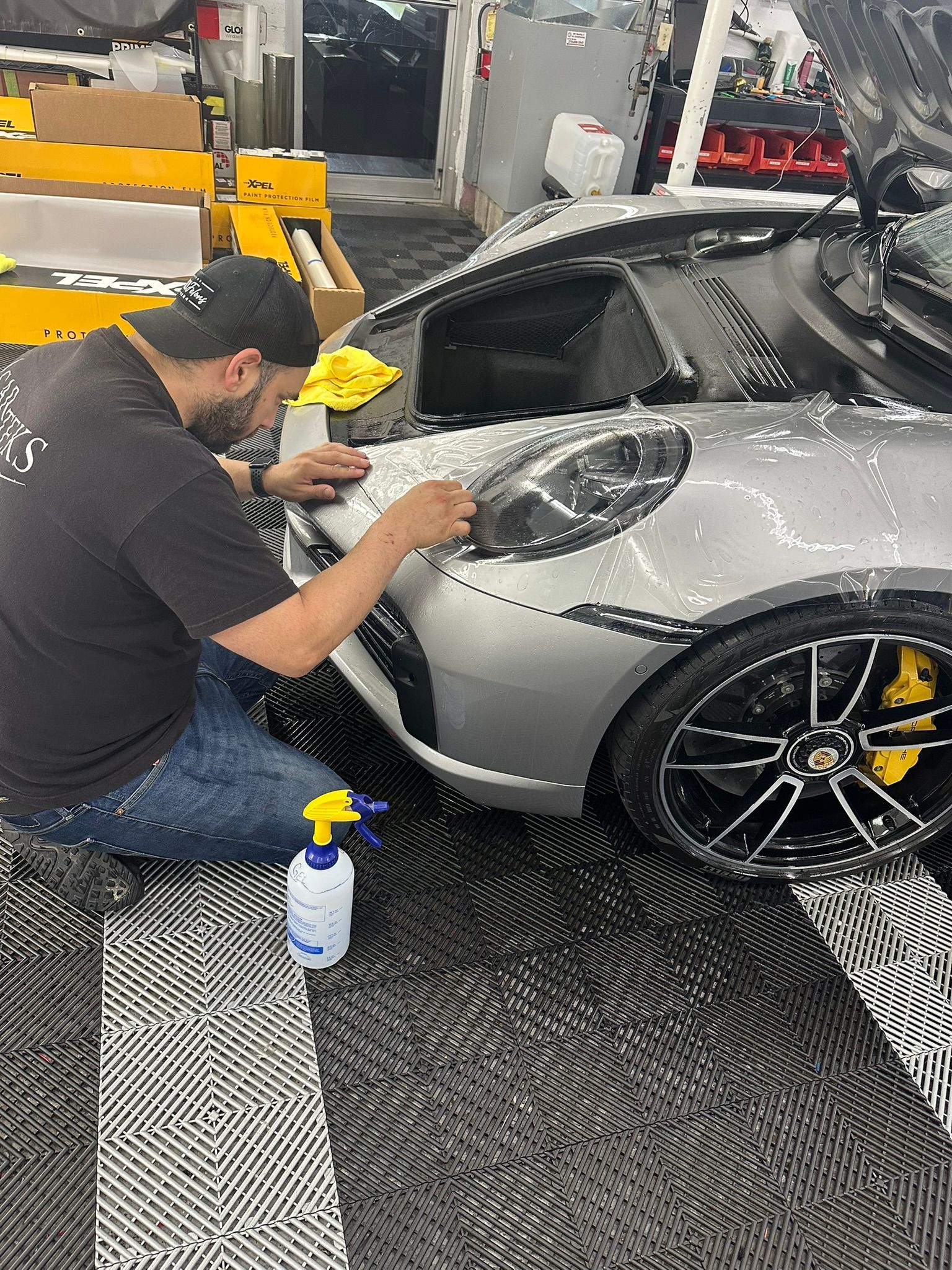
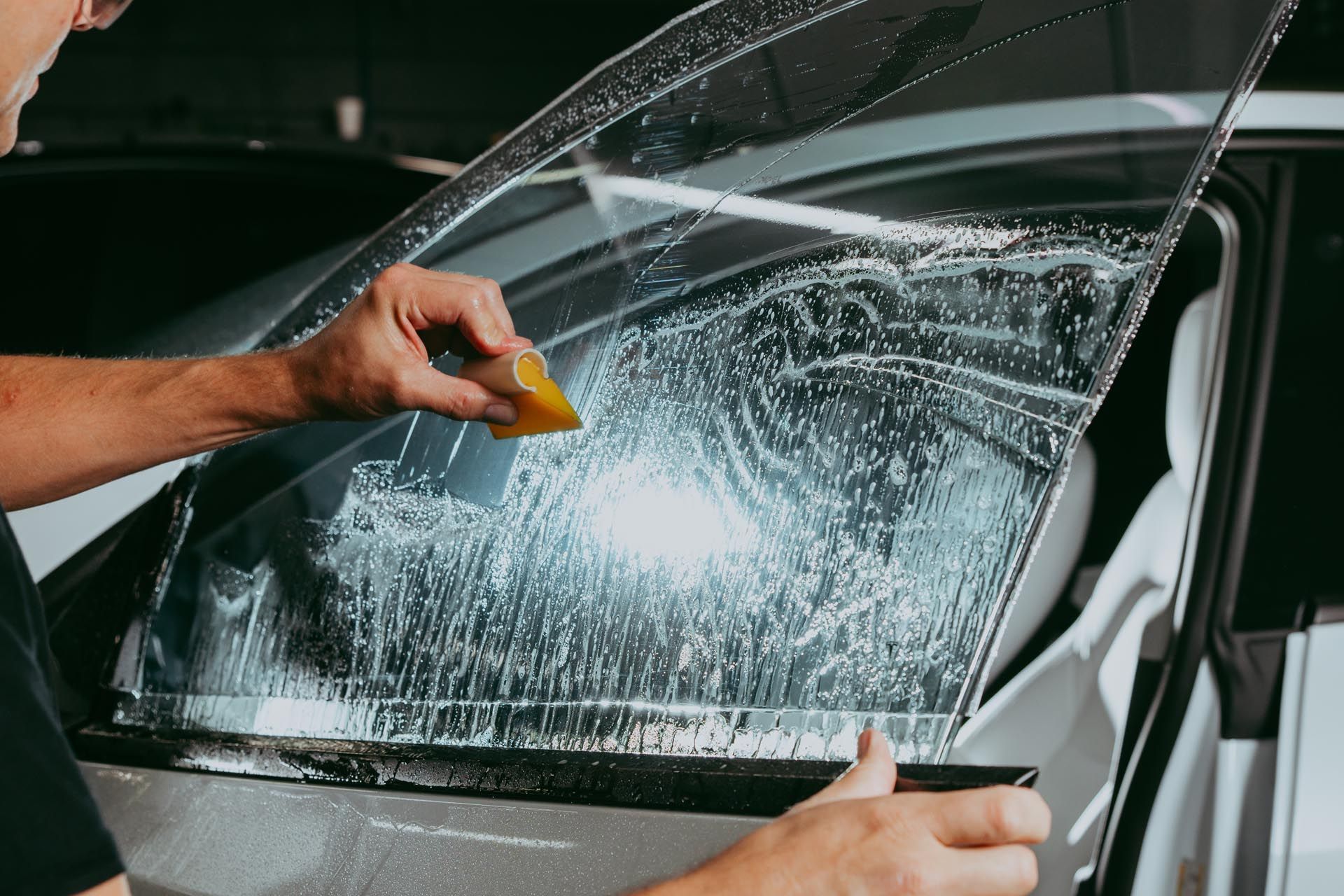
Quality of installation. This is a big one. Poorly installed PPF with lifted edges, contamination under the film, or excessive stretching will fail faster than properly installed film. Edges that aren't sealed correctly allow moisture and dirt to work underneath, causing the film to peel. This is why choosing an experienced, authorized installer matters.
The film brand and generation. Not all PPF is XPEL. Cheaper films from lesser-known brands may use older formulations that yellow faster, don't self-heal, and have shorter lifespans. The film technology has improved dramatically over the past decade. Current-generation XPEL Ultimate Plus is significantly better than PPF from even five years ago.
When Should You Replace PPF?
Most customers don't replace their PPF until they're ready for a change or the film has accumulated significant battle damage. After years of absorbing rock chips, scratches, and road debris, the film itself shows the wear that your paint would have taken. At that point, the film can be professionally removed and replaced, revealing perfect paint underneath.
Some signs it might be time to replace your PPF include visible yellowing or discoloration (rare with quality film), edges lifting or peeling, significant impact damage that's cosmetically bothersome, or haziness that doesn't improve with cleaning.
Is the Longevity Worth the Investment?
Consider this: if PPF costs $2,500 for a full front package and lasts 10 years, that's $250 per year or about $21 per month to keep your front end chip-free and your paint pristine. Compare that to even a single bumper respray at $500 to $1,500, and the math is clear.
PPF is a long-term investment that pays for itself. At Car Teks, we install XPEL Ultimate Plus because we've seen how it performs over years of real-world use. It's the film we trust on our own vehicles. Learn more about our PPF services or reach out for a quote.