Does Window Tint Reduce Heat? Here's What the Data Says
You already know window tint makes your car look better. But does it actually make a measurable difference in how hot your car gets? The answer is a definitive yes, but how much depends entirely on the type of film you choose.
Not All Tint Is Created Equal
There are three main types of window tint film, and they perform very differently when it comes to heat rejection:
Dyed film is the cheapest option. It works by absorbing some sunlight and converting it to heat within the film itself. The problem is that heat then radiates into your car anyway. Dyed film might block 15% to 25% of solar heat at best. It's mostly cosmetic and it's what gives tint a bad reputation when it turns purple and bubbles after a year.
Carbon film is a step up. Carbon particles in the film reflect more infrared energy than dyed film, typically rejecting 35% to 45% of solar heat. It doesn't fade to purple like dyed film and it's more durable. It's a decent middle ground.
Ceramic film is the top tier. Nano-ceramic particles embedded in the film reject infrared heat at a much higher rate without reducing visible light as much. Premium ceramic films like XPEL Prime XR Plus reject up to 98% of infrared heat. That's a massive difference you can feel immediately.
What Does This Mean in Real Life?
On a 90-degree summer day, an untinted car parked in the sun can reach interior temperatures of 140 to 170 degrees. The steering wheel becomes untouchable. The leather seats burn your legs. The AC takes 10 minutes to bring the temperature down to comfortable levels.
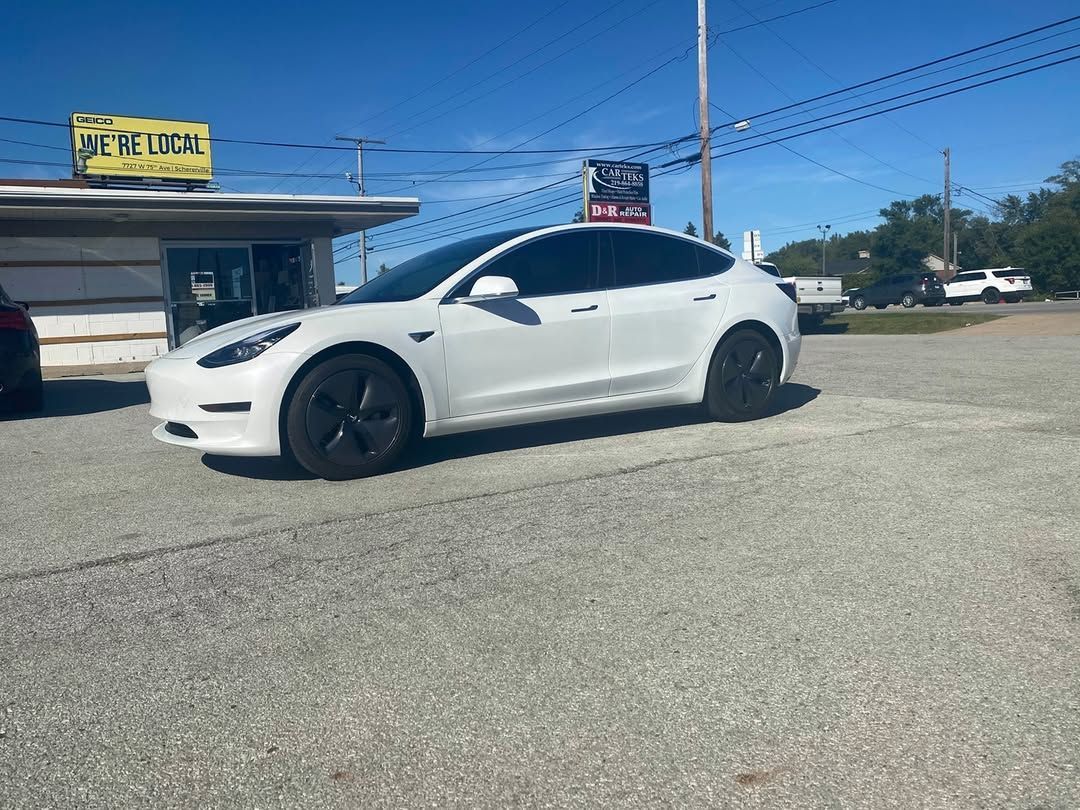
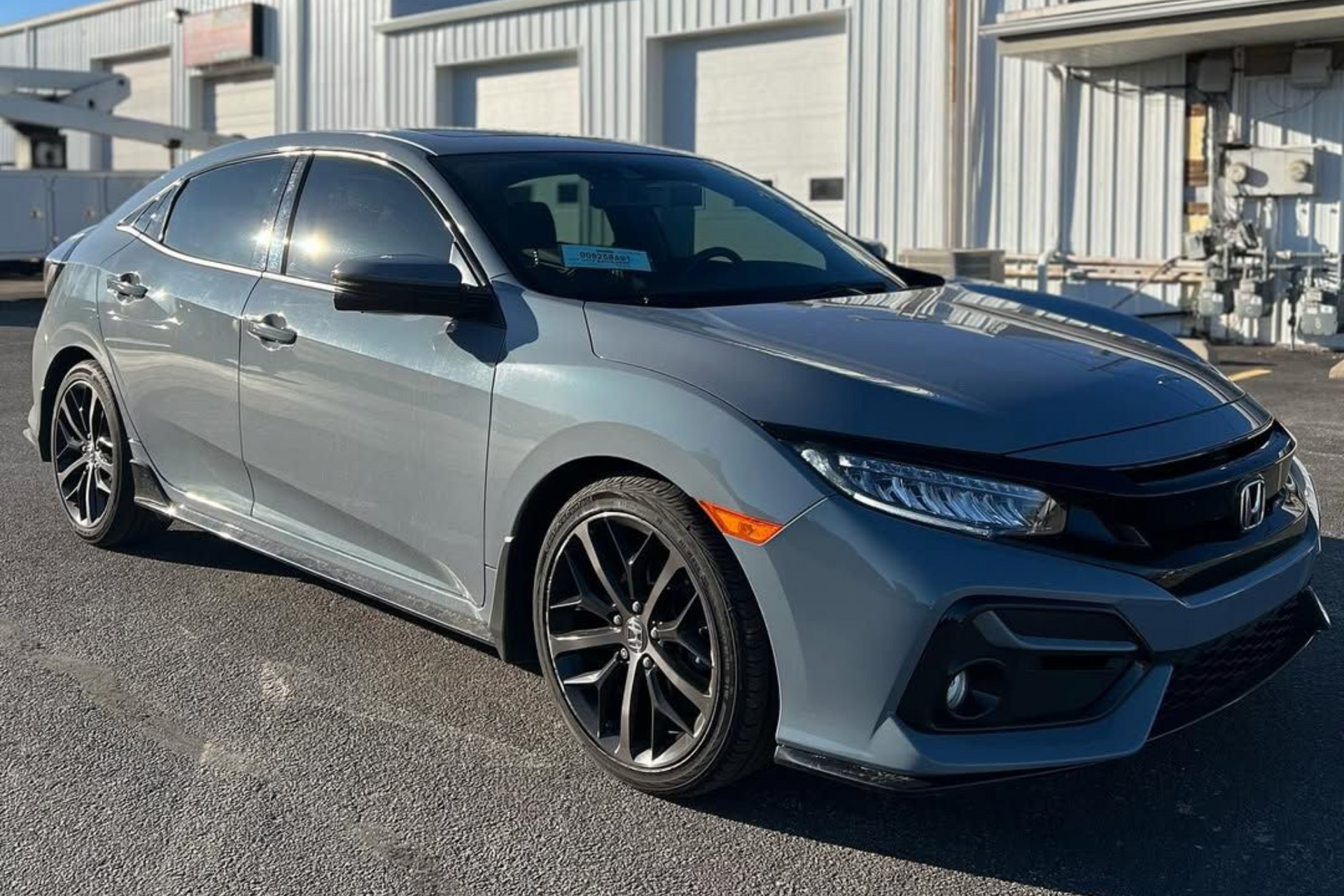
With quality ceramic tint on all windows including the windshield, that same car will be noticeably cooler when you get in. The interior temperature can be 20 to 40 degrees lower than an untinted car in the same conditions. Your AC cools the cabin faster and doesn't have to work as hard to maintain temperature, which can even improve fuel efficiency slightly.
The difference is most dramatic on long drives. Without tint, you feel the sun constantly heating the side of your face and arm through the driver's window. With ceramic tint, that radiant heat is almost completely gone. Customers consistently tell us it's the single biggest quality-of-life improvement they've made to their vehicle.
Why Ceramic Specifically?
The ceramic particles in the film are what make the magic happen. They selectively block infrared radiation (heat) while allowing visible light to pass through. This is why you can run a relatively light ceramic tint, say 35% or even 50% VLT, and still get outstanding heat rejection. You don't have to go dark to stay cool.
This matters especially for the windshield and front windows where you want maximum visibility. A 70% VLT ceramic windshield film blocks almost as much heat as a dark 15% dyed film on the same window, while being nearly invisible and completely legal.
Is the Upgrade to Ceramic Worth the Extra Cost?
If heat rejection is important to you, and it should be if you live anywhere that gets warm, the answer is absolutely yes. The price difference between cheap dyed film and quality ceramic film might be $100 to $200 for a full car. For that relatively small difference, you get dramatically better heat rejection that you'll feel every single day for the life of the vehicle.
We install ceramic film on every vehicle that comes through Car Teks because we believe it's the only film worth putting on a car. If you want to experience the difference ceramic tint makes, check out our window tinting page or contact us for a quote.